Small and medium-sized businesses often manage growing resume volumes, limited recruiting resources, and tight hiring timelines. Manual screening, delayed follow-ups, and scattered tools slow down decisions and cause strong candidates to be missed.
Hard To Find Candidates
Automatically post jobs for free to platforms like LinkedIn and Indeed.
Source candidates from 800M+ profiles worldwide.
Loosing Time In Screening
AI automatically ranks candidates based on skills, experience, and job fit.
Recruiter Burnout
Reduce manual screening and repetitive follow-ups with simple workflow automation.
Scattered Process
You don't need to manage job boards, candidate tracking, email and calendar. CVViZ brings everything under one roof.
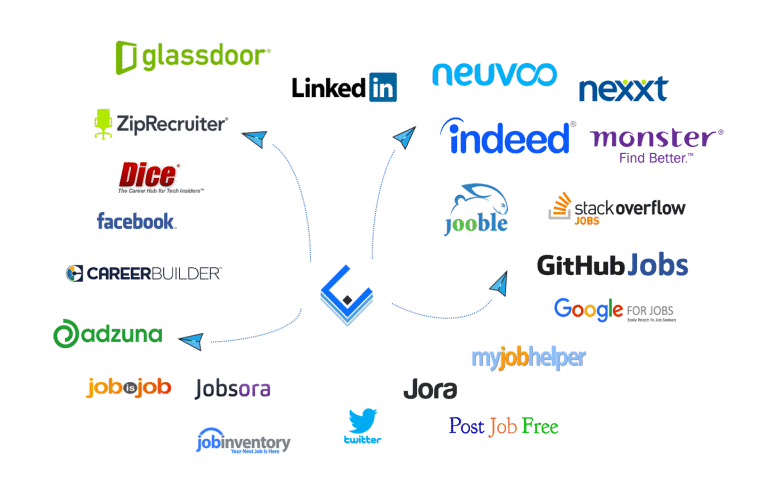
Post Jobs To LinkedIn, Indeed & Other Platforms In One Click
Attracting the right candidates is the first step to successful hiring. CVViZ helps SMBs reach qualified talent quickly by enablingfree job posting on major platforms such as LinkedIn, Indeed, and Glassdoor directly from the ATS.
Instead of manually posting jobs across multiple websites, recruiters can publish openings from a single dashboard and manage all applicants in a centralized system. This saves time, improves visibility, and ensures that job listings reach relevant candidates faster.
With CVViZ, SMBs can increase applicant quality and volume without additional marketing effort.
AI for Resume Screening To Identify Right Candidates Instantly
CVViZ applies artificial intelligence to understand job requirements and analyze resumes in context. Rather than relying on simple keyword matching, the platform evaluates skills, experience, and role fit to generate accurate candidate rankings.
Recruiters can customize screening criteria and adjust relevance weights for different roles, giving SMBs full control without technical complexity. AI-powered resume shortlisting ensures that the most suitable candidates are prioritized automatically.
In addition, CVViZ identifies relevant profiles from the existing database, including candidates who applied for other roles in the past, helping SMBs reuse valuable talent and reduce dependency on external sourcing.
Automate Recruiting Tasks With AI And Workflow Automation
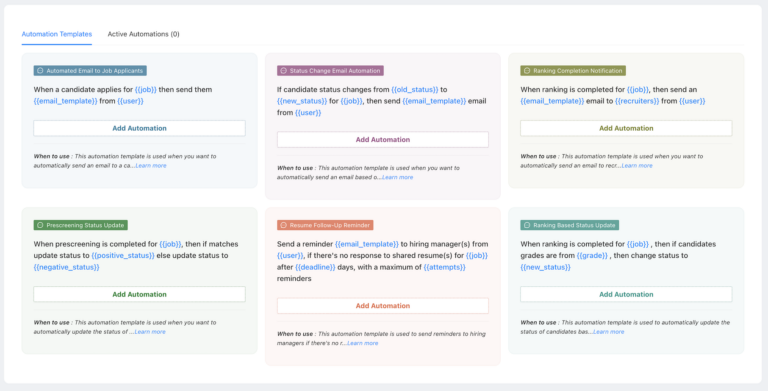
Spend less time on repetitive tasks and more time engaging with candidates. CVViZ combines AI and workflow automation to streamline every stage of hiring, from creating job descriptions and sending recruiter emails to scheduling interviews and managing candidate communication.
Automated workflows keep candidates moving through the pipeline, send reminders, and update statuses automatically, helping SMB teams hire faster while delivering a consistent candidate experience.
✓ AI Job Description Creation
✓ AI-Powered Recruiter Emails
✓ Automated Candidate Follow-Ups
✓ Interview Scheduling Automation
✓ Workflow Automation
✓ Candidate Status Updates & Notifications
Connect CVViZ With The Tools Your Team Already Uses
Integrate with emails, calendars, communication tools, productivity apps, and HR systems without complex setup.
These integrations connect job boards, email platforms, calendars, HR tools, and productivity software into one unified hiring ecosystem. This enables centralized management, improved collaboration, and fully automated workflows from sourcing to onboarding.
Why Growing Teams Switch to CVViZ
As hiring needs grow, many SMBs outgrow spreadsheets, legacy ATS platforms, and disconnected recruiting tools. Recruiters often end up juggling multiple systems for sourcing, screening, communication, and scheduling—creating unnecessary manual work and slowing down hiring.
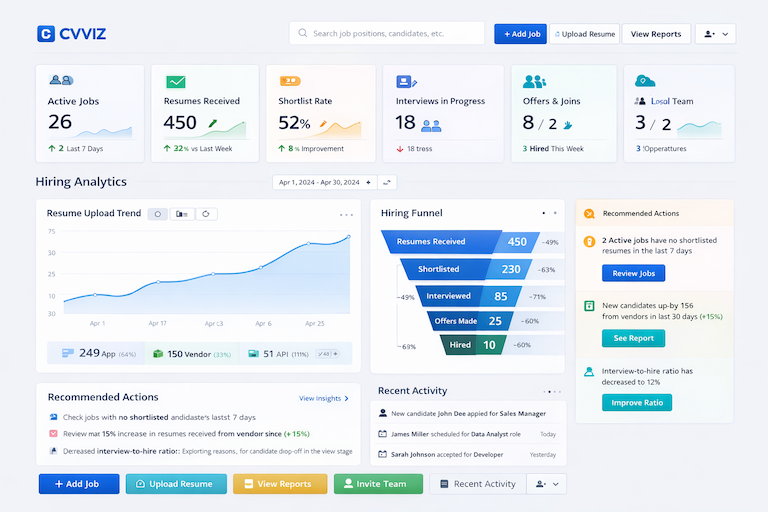
CVViZ brings everything together in one AI-powered platform. From candidate sourcing and AI resume screening to workflow automation and interview management, recruiters can manage the entire hiring process without switching between tools.
Built specifically for growing teams, CVViZ helps recruiters spend less time on administrative work and more time connecting with candidates and making better hiring decisions.
✓ AI Resume Screening & Candidate Ranking
✓ Access to 800M+ Candidate Profiles
✓ Built-In Recruiting Automation
✓ Free Multi-Channel Job Posting
✓ Candidate Rediscovery from Existing Database
✓ Easy Setup and SMB-Friendly Pricing
Start Hiring Faster With AI-Powered Recruiting
See how CVViZ can reduce manual hiring work, improve recruiter productivity and help your team hire top talent faster.
CVViZ combines AI-powered resume screening, automated job posting, workflow automation, and AI-driven recruiter assistance in one platform. This helps SMBs reduce manual work, improve hiring speed, and make better decisions without complex setup.
Yes. CVViZ allows SMBs to publish jobs directly to major platforms such as LinkedIn, Indeed, and Glassdoor from one dashboard, eliminating manual posting and improving candidate reach.
CVViZ uses artificial intelligence to analyze resumes based on job relevance, skills, and experience. It ranks candidates automatically and generates intelligent shortlists, helping recruiters focus on the most suitable applicants first.
Yes. CVViZ uses AI-driven conversations to assist recruiters with writing emails, managing follow-ups, and guiding communication throughout the hiring process, improving response time and candidate experience.